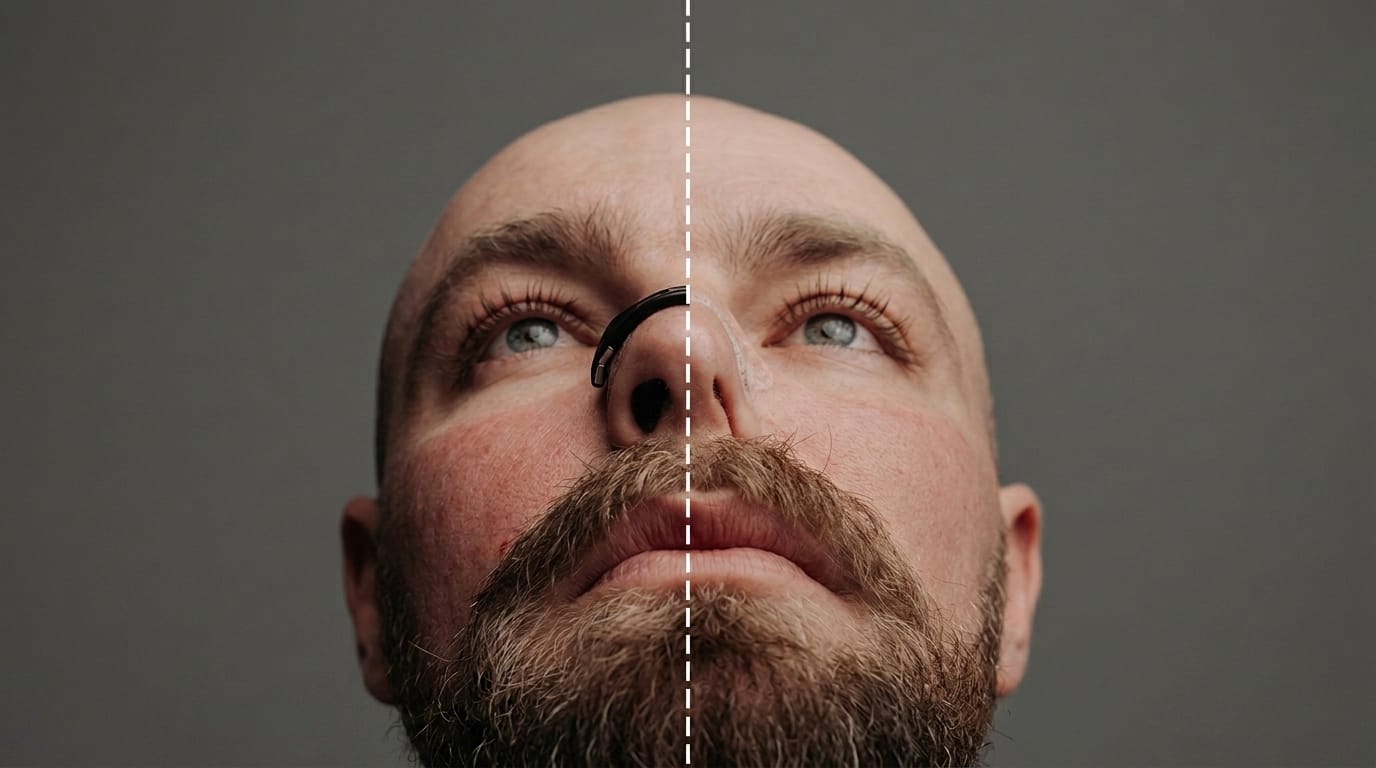
Septoplasty doesn't work for as many patients as you think. I know, because I'm the doctor they come to after it doesn't.
If you're about to schedule a deviated septum surgery, or you've already had one — or two — and you're still not breathing the way you expected to, I want you to read this before you book anything else. Combined procedures like septoplasty with turbinate reduction commonly run somewhere between $8,000 and $15,000 out of pocket depending on facility, anesthesia, and what's involved, and almost nobody explains, before that money is spent, that a straight septum and a genuinely clear airway are not automatically the same thing.
I'm not a surgeon. I'm a dentist who specializes in airway and sleep medicine, which means my exam room is usually the second or third stop, not the first. About half the patients I see haven't had surgery yet and are trying to figure out what they're actually walking into. The other half have already had it — sometimes twice — and are still breathing through their mouth at night, still waking up exhausted, still wondering what they did wrong.
They didn't do anything wrong. That's the part I've started saying out loud, even though it tends to make people uncomfortable — patients and surgeons both.
I want to be careful here, because this sentence gets misheard constantly. I'm not telling you surgery doesn't work, or that your surgeon did something wrong. Septoplasty helps a lot of people, meaningfully and permanently. What I'm telling you is narrower, and I think more useful: for a specific, common group of patients, one surgery was never going to be the whole answer — and almost nobody explains that before the consent form gets signed.
The part of the problem you can see, and the three parts you can't
Here's what I mean by "not the whole answer." A deviated septum is the part of the problem you can see clearly on a scan, so it's the part that gets treated first — and often the only part that gets treated at all. But breathing through your nose depends on more than the septum.
It depends on the turbinates — soft tissue along the nasal walls that can swell or overgrow on their own, sometimes even after they've already been reduced. It depends on the nasal valve, the narrowest point in the entire airway, which can be structurally too tight regardless of whether your septum is straight. And it depends on the palate, and on whether mouth-breathing became a lifelong habit — one that doesn't automatically undo itself just because the obstruction is gone.
Correct the septum perfectly, and the other three pieces are still sitting there, doing exactly what they were doing before. That's not a failed surgery. That's a four-part problem that got treated like a one-part problem.
Ask your surgeon directly whether they're evaluating just the septum, or all four structures. Ask what happens if the septum is corrected but the congestion doesn't fully resolve — is a second procedure already anticipated, or is that not part of the conversation at all? Go in with the realistic expectation that one surgery may be the start of the process, not automatically the end of it.
Nothing above means your money was wasted or your surgeon did a poor job. It likely means the surgery did exactly what it was built to do, for exactly the structure it was built to correct — and the rest of the picture was never addressed, because it's rarely part of the conversation.
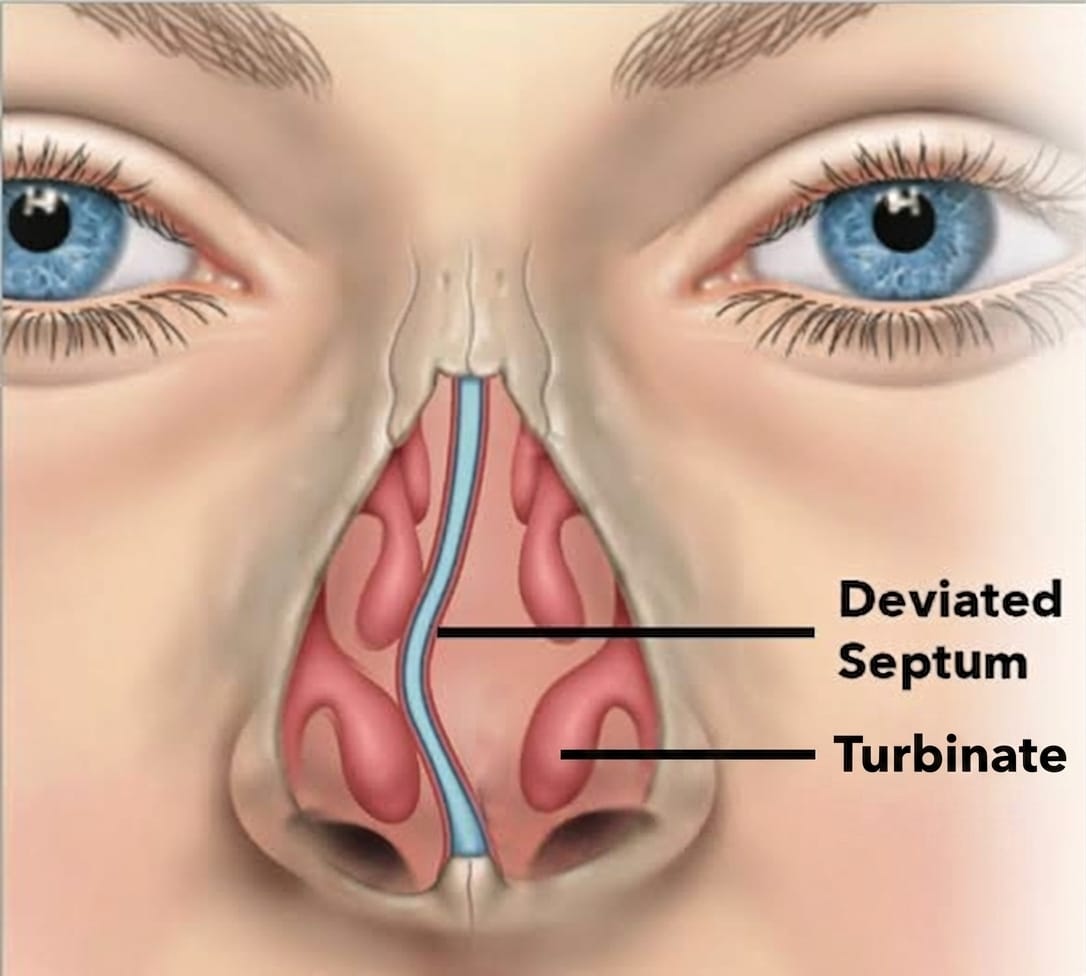
Cartilage remembers where it came from
A documented post-surgical pattern, not a fringe theory.There's a phrase surgeons use that explains a lot of what I see: cartilage memory. Cartilage has a physical tendency to pull back toward the shape it held before it was corrected, especially when some structural tissue has to be left in place just to keep the nose from collapsing. Add in ordinary healing forces, an occasional bump or strain during recovery, or simply time, and a real number of patients see some portion of their deviation return.
"I had a septoplasty about a year ago and it went back." A patient, describing something I hear often enough that it no longer surprises me
What does still surprise me is how rarely anyone is told beforehand that it's even a possibility.
I want to be fair to the other side of this too, because it matters. When a first surgery doesn't fully resolve things, the instinct is usually to go bigger — remove more tissue, be more aggressive the second time. But turbinates aren't just obstruction tissue sitting in the way. They warm the air, humidify it, and help you sense that you're actually breathing. Remove too much, and you can end up with something called empty nose syndrome — a rare but genuinely serious condition where the airway is wide open, sometimes wider than it's ever been, and the patient still feels like they can't get a breath in, because the tissue that used to help them sense airflow simply isn't there anymore. It's uncommon. But it's real enough that "more surgery, more tissue removed" isn't automatically the safer choice either — for the person considering a first surgery or a third.
Why this keeps happening
None of this is being hidden from anyone, and I want to say that plainly, because I don't think blaming surgeons — or "the system," as some deliberate conspiracy — is honest or useful. It's simpler than that, and less satisfying. A pre-surgical consultation is built around whatever the scan can clearly show. A fifteen-minute follow-up is built around checking whether that one repair held. Neither is really structured around the question of what else, besides the septum, might be contributing — because that question takes longer than the appointment allows, and it doesn't come with a single procedure you can put on a surgical schedule.
The result isn't malpractice. It's a system built around the visible, treatable piece, applied to patients whose actual problem was rarely just one piece to begin with — whether they're walking into their first consultation or their third.
What I actually do about it
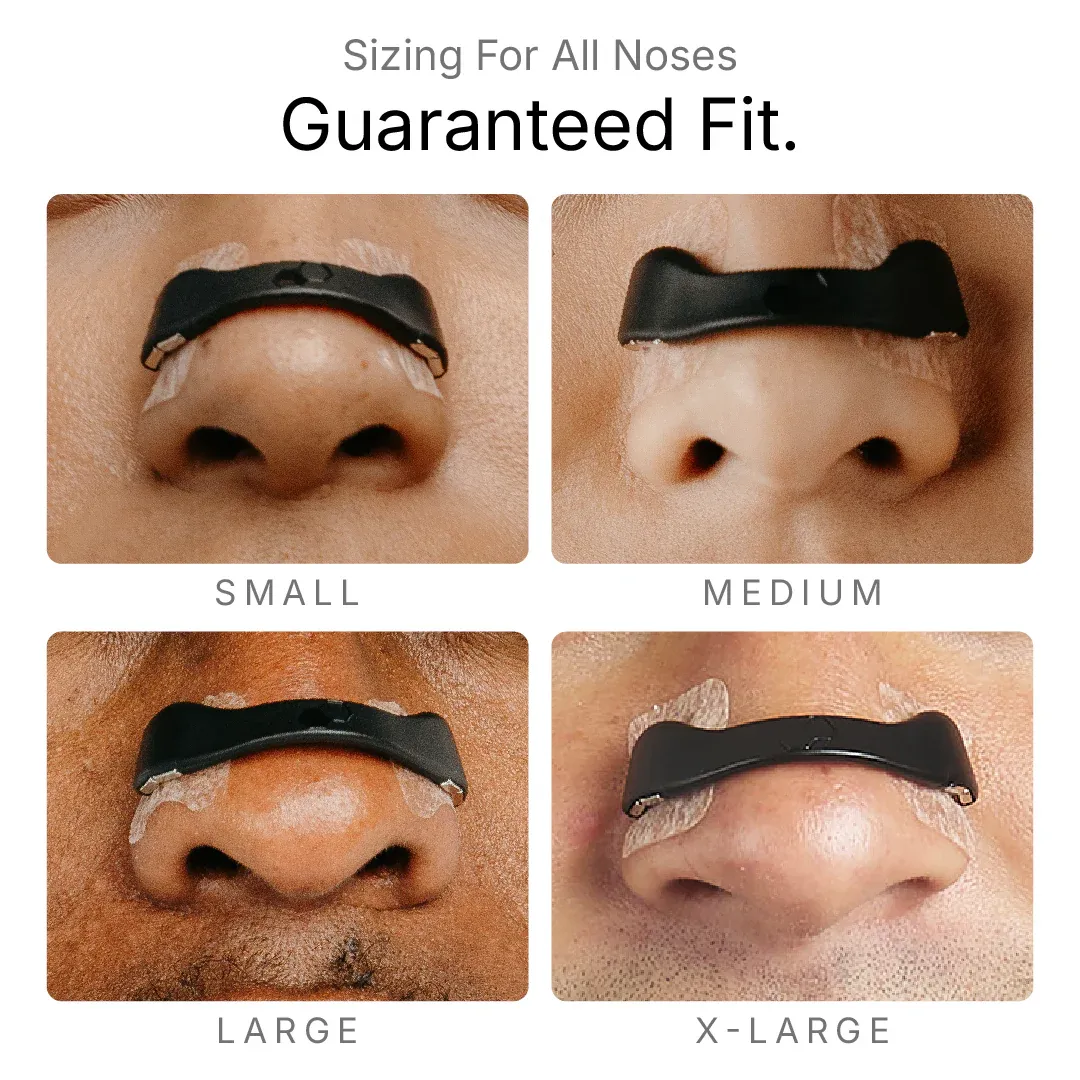
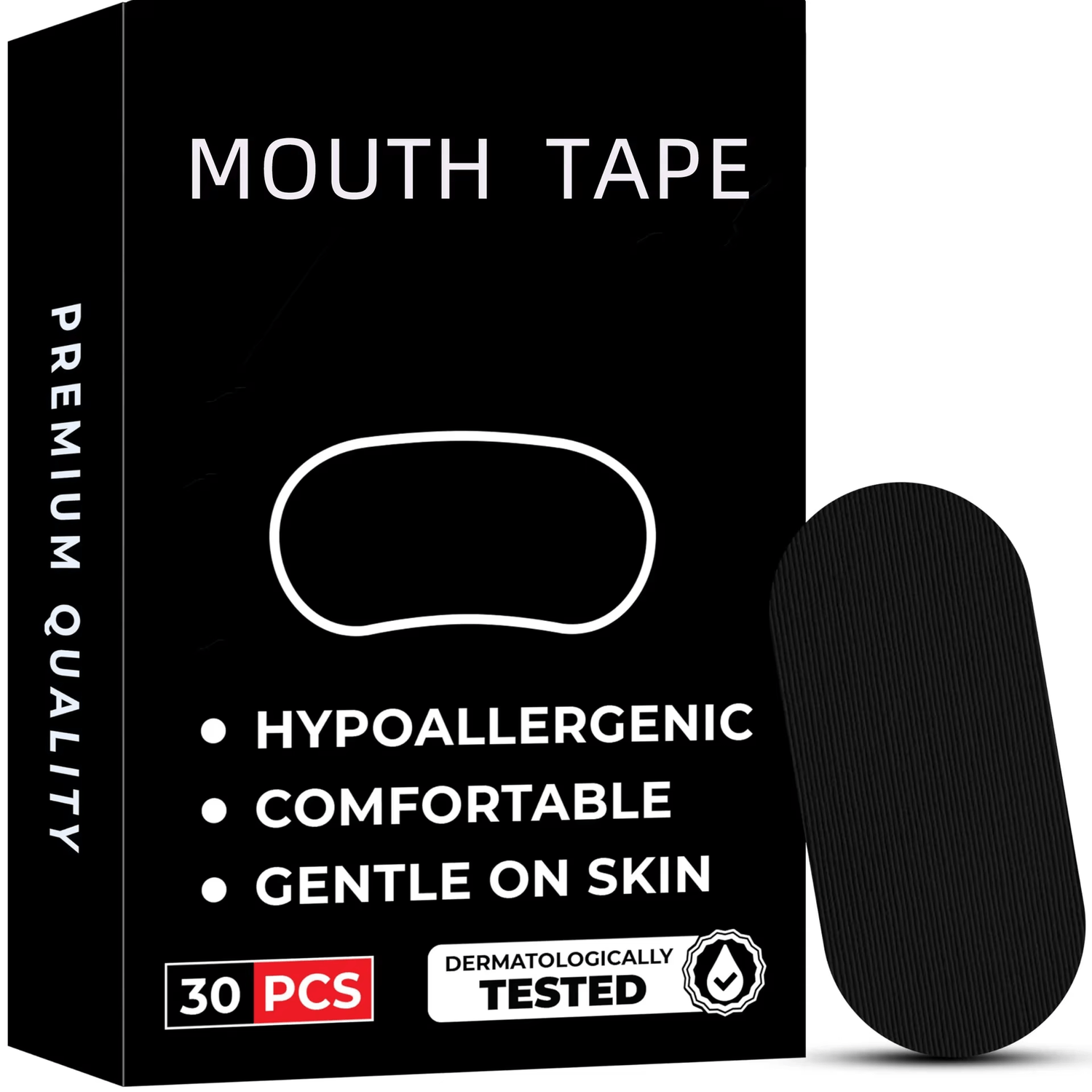
For patients weighing whether to have surgery at all, and for patients who've already had one procedure and are hesitant about a second, I've started recommending a combination that has nothing to do with cartilage at all: a magnetic external nose strip, worn at night, paired with a breathable mouth tape. The brand I recommend is Breathe Oxy, and I'll tell you honestly why, including the parts that aren't universally glowing.

A quick look at how the magnetic strip and mouth tape work together
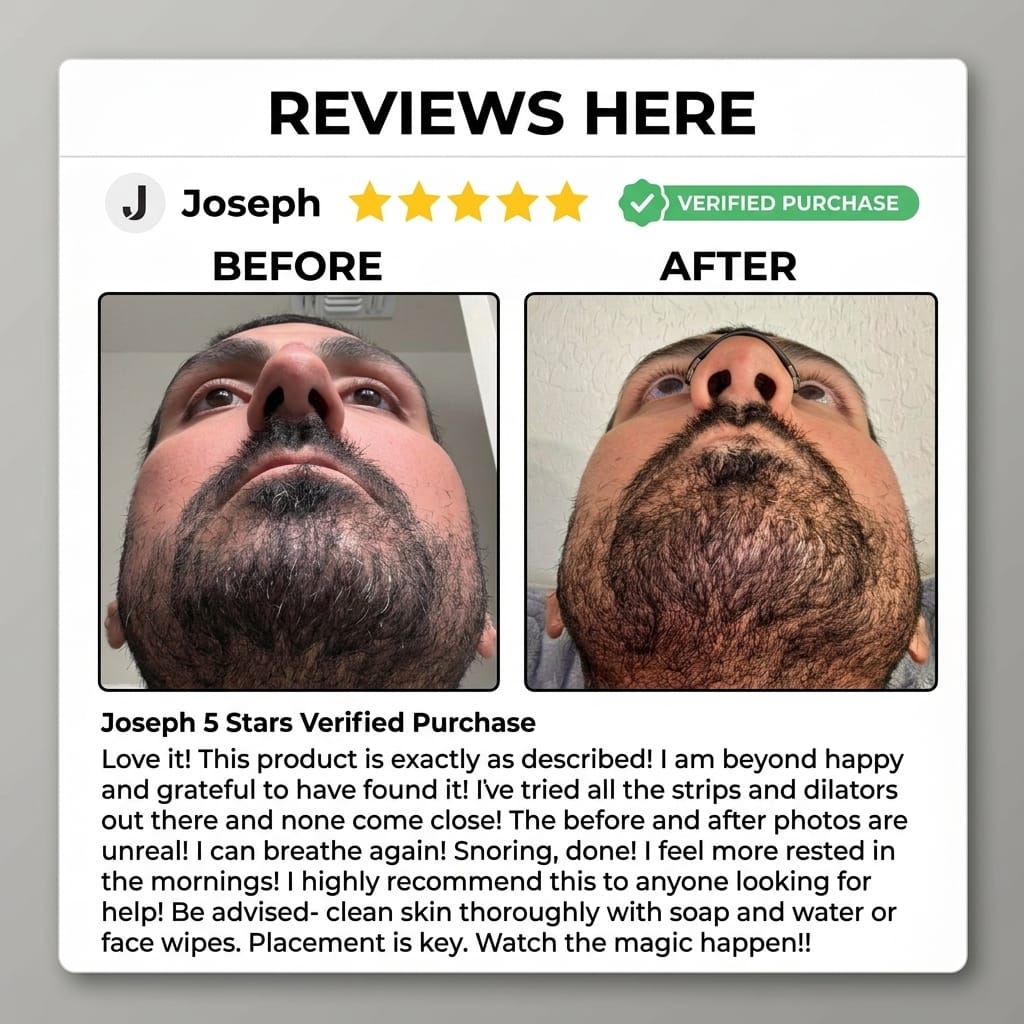
The patients who stick with me longest are usually the ones who describe that first morning almost sheepishly — the fog they'd stopped noticing because it had been there so long it just felt like being tired, like getting older, like normal. I've had patients tell me, more than once, that the first night with the strip and mouth tape was the best sleep they'd had in years — sometimes since before their first surgery. Not because anything was cured. Because for the first time in a long time, their body wasn't quietly fighting for air while they slept, and that alone changed how the entire next day felt. Deeper sleep. A clearer head by mid-morning, not a fog that lingers until lunch. The kind of ordinary, unremarkable energy most people take for granted — and that many of my patients had genuinely forgotten was possible.
How this actually holds the airway open, structurally speaking
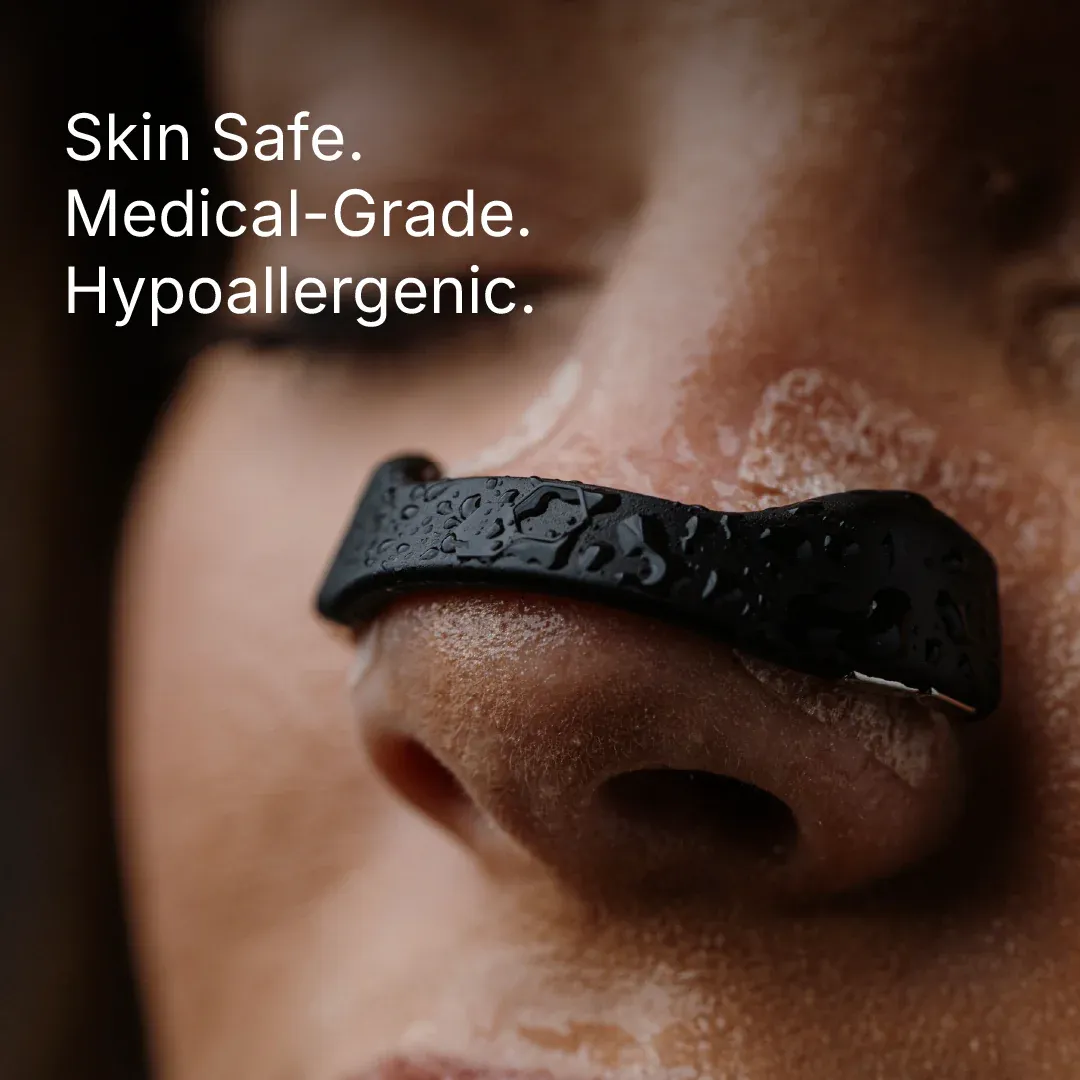
It's worth explaining this properly, because "magnetic strip" can sound gimmicky until you understand what it's mechanically doing. The external nasal valve — the soft-tissue area along the outer sidewalls of the nose, just above the nostrils — is one of the most common sites of airflow collapse during inhalation, independent of septal position. On a deep breath, negative pressure can pull that sidewall inward slightly, narrowing the passage right at its tightest point. A standard adhesive strip applies a flat, static pulling force across the skin, which helps somewhat but tends to lose tension as the adhesive warms and loosens through the night. Paired magnetic components apply a more consistent outward lift to that sidewall directly, for as long as the strip stays positioned — which is also part of why the hypoallergenic adhesive matters; a strip that's shifted or peeled has effectively stopped working, regardless of the magnets inside it.
The mouth tape is addressing an entirely different part of your sleep physiology. During deeper stages of sleep, the muscle that keeps the tongue forward — the genioglossus — naturally relaxes along with the rest of your skeletal muscles. In someone who already breathes through their mouth out of habit, that relaxation lets the tongue fall backward toward the throat, partially obstructing the airway and producing much of what gets labeled "snoring." A gentle, breathable seal across the lips encourages nasal breathing by default, which keeps the tongue in a more forward resting position against the roof of the mouth throughout the night — not by force, and not by blocking the mouth entirely, since the material is designed to allow it to open under any real need to.
Used together, you're addressing the two most common independent contributors to poor sleep breathing — a narrow external nasal valve, and tongue-based airway collapse from habitual mouth breathing — neither of which a septoplasty is actually designed to touch, even when it's performed well.
I'll pass along exactly what I hear from patients using it, including the unremarkable parts, because I trust that more than a pure endorsement.
Three patients, three different starting points
I don't tell every patient the story ends the same way, because it doesn't — and I think that's more honest than pretending it does.
One patient came to me before ever scheduling surgery, weighing whether to go through with it at all. She started with the strip and mouth tape first, partly to see how much relief was achievable without an operating room, and partly because the recovery timeline didn't fit her work schedule that year. She's still deciding about surgery, with more information than she had before.
Another patient, four months post-septoplasty and already feeling her deviation shift back, chose to delay a second surgery entirely; she uses the strip and tape nightly and is still deciding whether she'll need the procedure long-term. A third, two surgeries in and weighing a more serious third option involving donor cartilage, has now postponed that decision twice, using Breathe Oxy as a bridge while he makes up his mind.
What connects all three isn't that surgery was unnecessary. It's that none of them had to choose between doing nothing and booking another operating room as their only two options — whether they were standing at the beginning of that decision or in the middle of their second recovery.